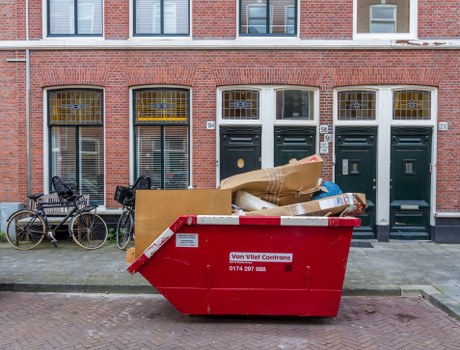
Recycling and Sustainability at Bromley House Clearance
At Bromley House Clearance we place the eco-friendly waste disposal area and the concept of a sustainable rubbish area at the centre of every job. Our approach combines careful sorting on-site, partnerships with local reuse organisations and a clear recycling percentage target: we aim to divert 75% of all collected material from landfill by 2028. This target is ambitious yet achievable through robust processes, collaboration with borough services and continual investment in low‑impact transport and transfer logistics. Every item cleared is assessed for reuse, repair or recycling, reducing the volume sent for disposal and increasing the life-cycle value of goods.
Practical steps for greener clearances
We recognise that an effective sustainable rubbish strategy depends on systems as much as intentions. Our crew are trained in on-site segregation so that metals, timber, electricals and textiles are separated at source. We use labelled collection streams and small-scale sorting to reduce cross-contamination before items reach recycling facilities. When feasible, bulky goods that are in reasonable condition are earmarked for refurbishment rather than being processed as waste. This hands-on segregation supports the boroughs’ approach to waste separation while helping our own recycling and reuse metrics.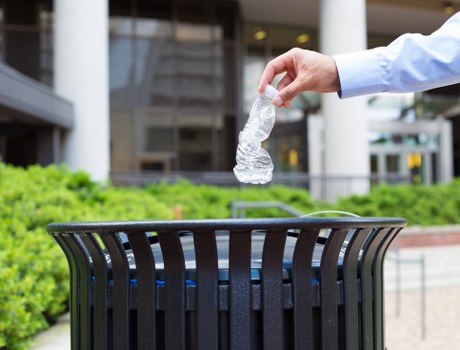 To support local and regional recovery we work closely with a network of local transfer stations and material recovery facilities. Typical paths for materials we handle include:
- Metals and white goods to authorised scrap and metal recyclers
- WEEE (electricals) sent to certified e-waste processors
- Textiles and soft furnishings diverted to charities and textile recyclers
- Wood and bulky timber reused where possible or processed into energy recovery streams if contaminated
- Glass, paper and card sent to municipal systems aligned with borough separation rules
Local transfer stations and borough collaboration
We coordinate with transfer stations across Bromley and neighbouring boroughs to ensure materials are handled correctly in line with municipal policies. Local transfer stations act as critical hubs where pre-sorted waste is consolidated and forwarded to specialist processors. By routing items through the right transfer points we follow the boroughs’ guidance on residual waste, mixed recyclables and organic streams, and we reduce unnecessary double-handling, which lowers emissions and operational costs.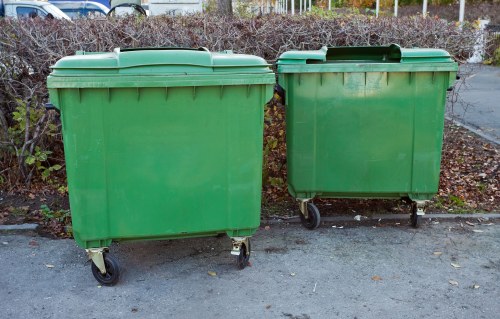
Partnerships with charities and reuse organisations
One of our most important sustainability levers is partnering with local charities and social enterprises. Furniture, functional appliances and good-quality textiles are offered to charity partners for reuse and resale, extending useful life and supporting community causes. We have standing relationships with several charities and community projects that prioritise refurbishing items and redistributing them to households in need. These partnerships not only reduce waste but also reinvest material value into the local community.Our charity collaboration extends beyond simple drop-offs: it includes coordinated collections, documented item lists, and collaborative logistics to make sure larger items can be collected and refurbished safely. This reduces landfill input and contributes to social value metrics that are increasingly part of local authority procurement and sustainability reporting.
Waste separation and local recycling practice
The boroughs around Bromley typically operate a mix of source-separation and comingled collection systems. Residents are often asked to separate food waste, paper and card, glass and certain plastics into designated caddies. We mirror those practices within our clearances: food-contaminated materials are segregated from recyclable dry streams, batteries and hazardous liquids are removed and processed through licensed handlers, and clean recyclables are kept free from contamination to maximise recycling rates. This measured approach respects existing municipal systems while improving the quality of materials sent to processors.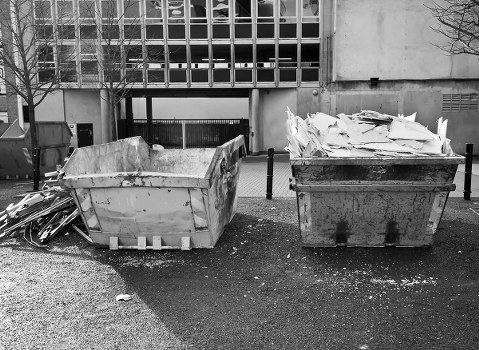 Low-carbon vans and transport optimisation are central to our sustainability promise. Our fleet now includes electric and hybrid vans for inner-borough work and low-emission diesel vehicles with particulate filters for longer routes. We use route-planning software to minimise mileage, reduce idling and combine multiple nearby jobs where practical. Together, these measures help lower greenhouse gas emissions for every job, making our eco-friendly waste collection and removal services both effective and responsible.
In addition to cleaner vehicles, we invest in regular vehicle maintenance and driver training focused on economical driving techniques to further cut fuel use. The net effect is a visible reduction in carbon intensity per clearance and a clear pathway to further decarbonise our operations as electric van range and charging infrastructure improve.
From salvage to licensed disposal — responsible end‑points
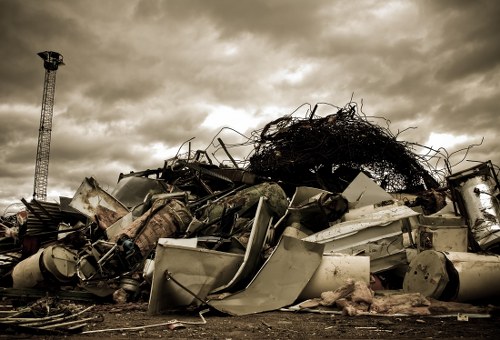
Our end-to-end process favours salvage and reuse first. Items that cannot be reused are separated and sent to the appropriate licensed facilities or permitted land recovery sites. Hazardous wastes are handled by authorised specialists, and we keep procurement records to ensure traceability. By tracking every disposal route we can report on outcomes, improve processes and work toward our 75% diversion goal.Sustainability at Bromley House Clearance is an operational commitment: from on-site segregation, through partnerships with transfer stations and charities, to investment in low-carbon vans and better logistics. Our strategy aligns with local borough approaches to waste separation while pushing beyond compliance to a proactive reuse and recycling culture. We continually review performance, publish internal metrics and seek collaborative opportunities to increase our recycling and reuse rates across the communities we serve.
Our pledge: to expand our charity partnerships, increase diversion from landfill and reduce transport emissions year-on-year, ensuring every clearance supports a thriving, circular local economy and a greener future.